Industries we know from the inside.
Ascent focuses on businesses where service execution, network complexity, technology and capital decisions meet. Knowing how these businesses actually make and lose money makes the strategy, the readiness work and the deal analysis more useful.
Seven sectors, 51 sub-sectors.
Ascent works with companies that move freight worldwide and with the businesses that provide services integral to those supply chains, both asset-based and asset-light.
Logistics & Freight Services
- Contract logistics & 3PL
- Freight forwarding
- NVOCC
- Freight brokerage
- Customs brokerage & trade compliance
- Drayage & port drayage
- Intermodal
- Last-mile & final-mile
- Government logistics services
Warehousing, Distribution & Fulfillment
- Dedicated & multi-client warehousing
- B2B distribution centers
- Direct-to-consumer (D2C) & e-commerce fulfillment
- Omnichannel fulfillment
- Cold chain
- Packaging & crating
- Value-added services
Over-the-Road
- Truckload
- Less-than-truckload
- Dedicated & expedited
- Heavy haul & specialized
- Auto hauling
- Private fleets
Project, Heavy-Lift & Data Center Logistics
- Project logistics & project cargo
- Data center logistics
- High & heavy freight
- Breakbulk & heavy-lift
- Oversize & overweight transport
- Energy & infrastructure projects
- Site delivery & rigging coordination
Maritime & Ports
- Ocean carriers
- Regional & short-sea liner services
- Port & terminal operations
- Stevedoring
- Vessel new-build & acquisition programs
- Port leases & operating agreements
- Inland barge
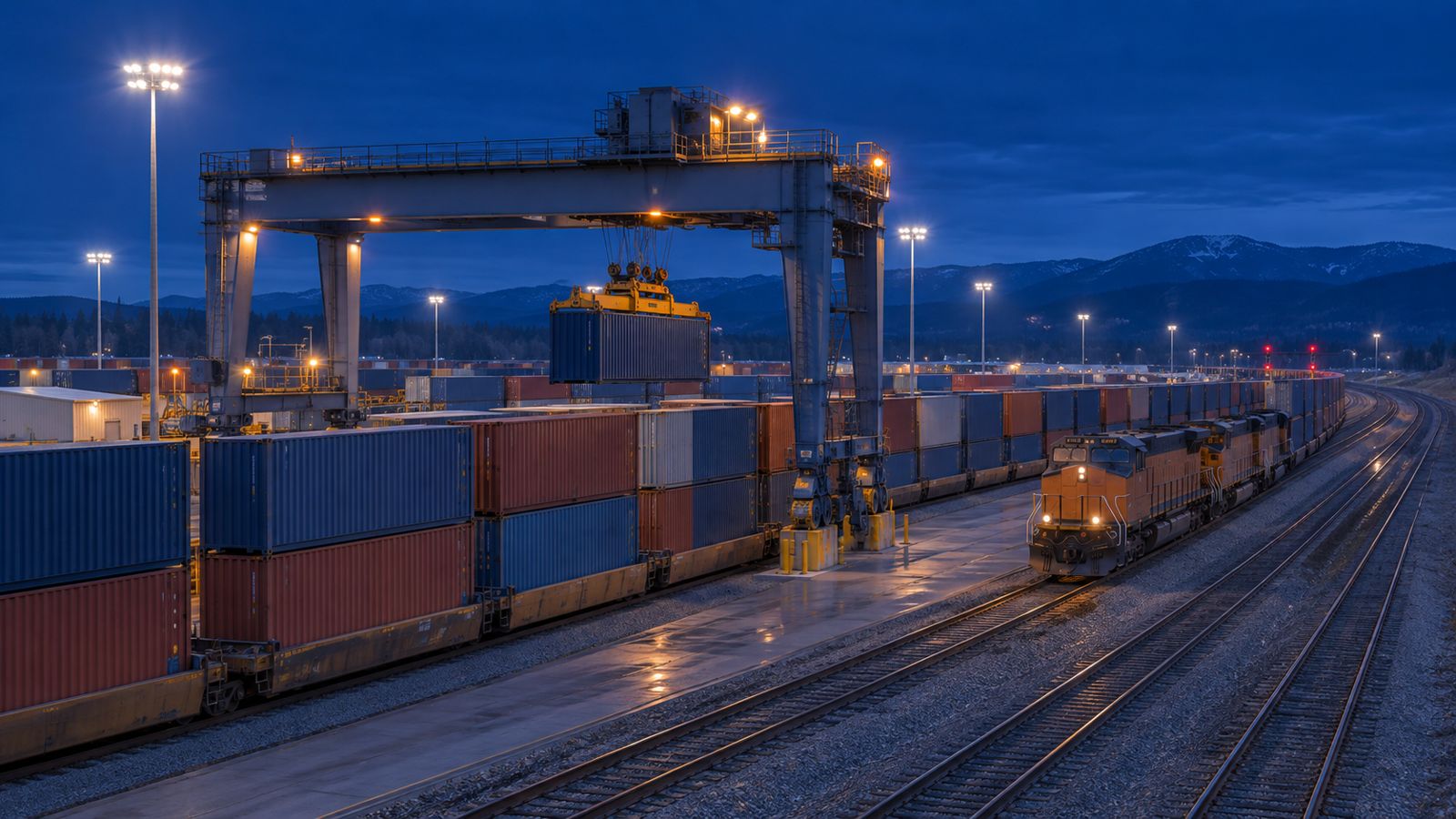
Rail & Intermodal
- Short-line (Class II & III) railroads
- Transloading
- Intermodal terminals
- Container stations
- Rolling stock maintenance & leasing
- Rail-served warehousing
Freight Technology, AI & Supply Chain Services
- Consumer products supply chains
- Strategic sourcing & procurement
- TMS & WMS platforms
- AI-powered freight technology
- AI-enabled logistics services
- Visibility & control towers
- Telematics
- Air freight
- BPO & EOR services
Consumer products, healthcare and industrial.
The firm has also run and advised supply chains for the companies that ship. That shipper-side experience shapes how we assess logistics providers, their customers and the services those customers will pay for.
B2B and direct-to-consumer supply chains for branded consumer goods: planning, manufacturing, distribution and fulfillment. Experience includes a 14-country Latin America carve-out and the integration of two consumer goods companies’ global supply chains.
Distribution and logistics for medical, pharmaceutical and healthcare products, where compliance, product integrity, temperature control and service reliability shape the network and the choice of provider.
Supply chains for manufactured and industrial goods: sourcing and inbound materials, MRO and aftermarket parts, contract logistics, and project and heavy freight.
Geographic experience.
Cross-border work across the Americas, Europe, the Middle East and Asia. That includes acquisitions, joint ventures, integrations and supply chain separations across Latin America and the Caribbean; integration of two consumer goods companies’ global supply chains; a worldwide operating model and control tower program for a top-10 global freight forwarder; more than $250M in global logistics contracts; and sourcing and outsourcing programs in Asia.
What drives value, and when owners call.
Logistics & Freight Services
Asset-light providers whose value sits in customer contracts, carrier relationships, network density and pricing discipline.
Sub-sectors Common situationsPreparing to sell, acquisition screening and diligence, 3PL RFPs and transitions, pricing and lane strategy, integration of acquired forwarders and 3PLs.
Warehousing, Distribution & Fulfillment
Global B2B and direct-to-consumer (D2C) warehousing, distribution and fulfillment operations, where labor productivity, engineering standards, site utilization and contract terms drive value.
Sub-sectors Common situationsSale readiness for owner-operated providers, service-level and SLA reviews, site and network decisions, acquisition strategy and integration.
Over-the-Road
Asset-based and asset-light carriers, where utilization, driver retention, equipment cycles and customer mix decide the margin.
Sub-sectors Common situationsCapital raises, mergers of complementary carriers, technology carve-outs, make-versus-buy decisions for private fleets, cost-to-serve analysis.
Project, Heavy-Lift & Data Center Logistics
Large, high-value and time-critical moves: generators, transformers, switchgear, cooling units and server racks for data center builds, plus high and heavy freight for energy, industrial and infrastructure projects. Value depends on engineering skill, permits, access to specialized carriers and equipment, and a record of delivering to the construction schedule.
Sub-sectors Common situationsAcquisition screening for project cargo and heavy-haul specialists, growth into data center and energy construction markets, diligence on project backlog and customer concentration, carrier and equipment capacity planning, sale readiness for specialized carriers and forwarders.
Maritime & Ports
Carriers and port operators with long-lived assets, where fleet, terminal and lease decisions lock in economics for years.
Sub-sectors Common situationsFleet capital programs, port lease negotiations, sale processes for carriers and terminal businesses, adjacency and acquisition strategy.
Rail & Intermodal
Rail and transload businesses that connect long-haul networks to local customers and ports.
Sub-sectors Common situationsGrowth and acquisition strategy, diligence on terminal and transload assets, network and service design.
Freight Technology, AI & Supply Chain Services
Freight technology and AI-enabled platforms, shipper supply chains, and the outsourced services that run or support logistics operations. Value depends on whether paying customers use the technology every day.
Sub-sectors Common situationsCarve-outs and supply chain separation, separation and financing readiness for AI-powered freight technology platforms, AI use-case assessment, post-merger synergy programs, control tower and operating-model design, technology selection, procurement and EOR programs.
Don’t see your segment?
If it moves, stores or sources goods, or serves the companies that do, we probably know it. Tell us about the business and the decision in front of you.